
















How Aviation Themes Have Found Their Way Into Online Games
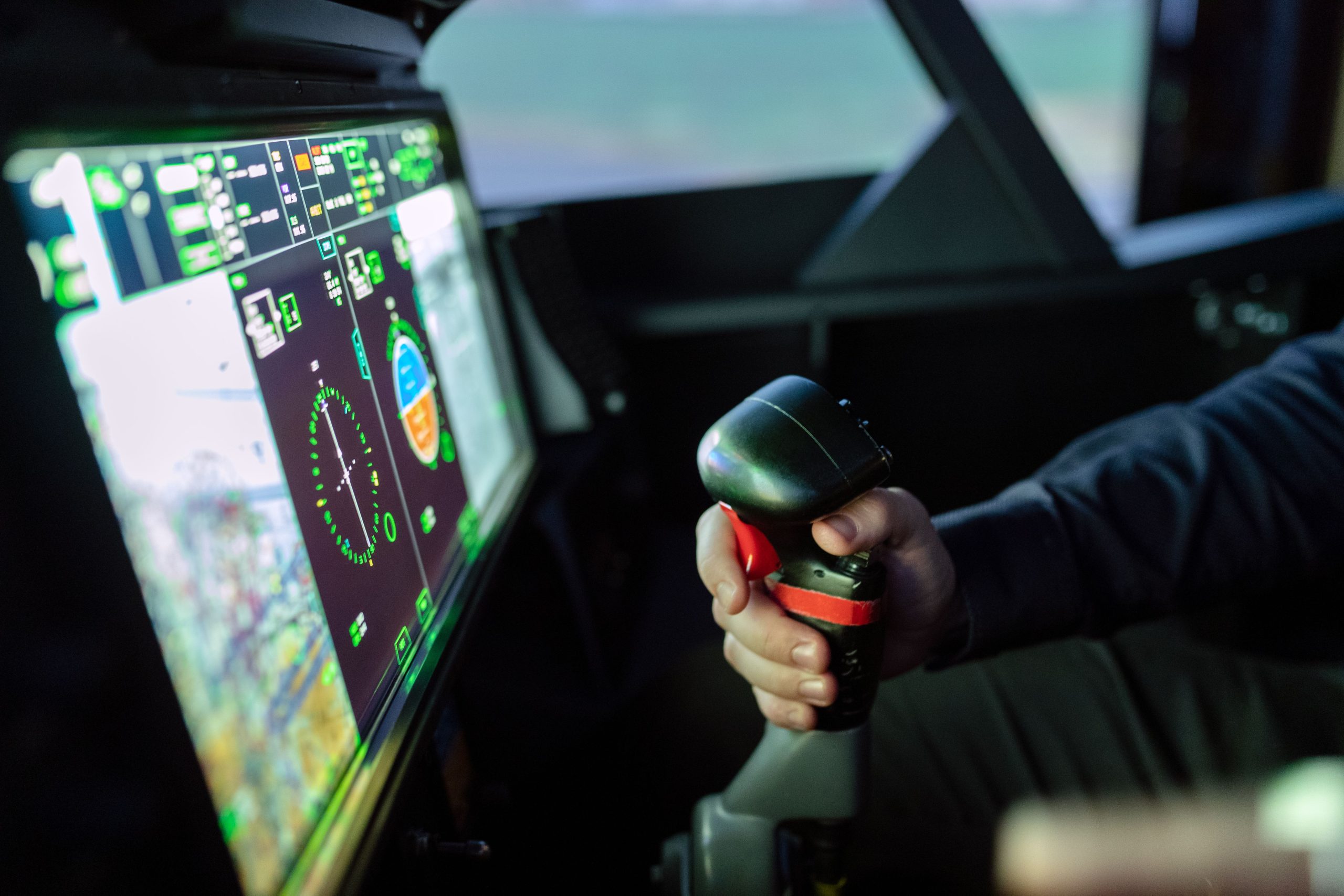
Aircraft have been part of video games almost as long as home gaming has existed. Early arcade machines put players in the cockpit of fighter planes, while later computer games made it possible to fly passenger jets across detailed digital landscapes. Some developers concentrated on realistic flight controls, while others preferred the simple pleasure of watching a small aircraft move across the screen.
That fascination with flying has found its way into several areas of online entertainment. Aviation themes now appear in mobile games, adventure titles and even online casino games, although each genre uses aircraft in quite different ways.
The history of aviation gaming is also closely connected to the development of home computers. Flight simulation was among the early genres that showed what personal computers could do beyond basic arcade entertainment. As hardware improved, developers were able to introduce more detailed landscapes, changing weather and aircraft that behaved more like their real-world counterparts. Meanwhile, smaller arcade titles continued to offer a more relaxed interpretation of flying, often using aircraft as colourful characters rather than complicated machines. This approach can still be seen in modern online entertainment, with titles such as the Aviator game on Betway using a simple animated aircraft to represent the action in a multiplier-based crash game.
Table of Contents
From flight simulators to simpler games
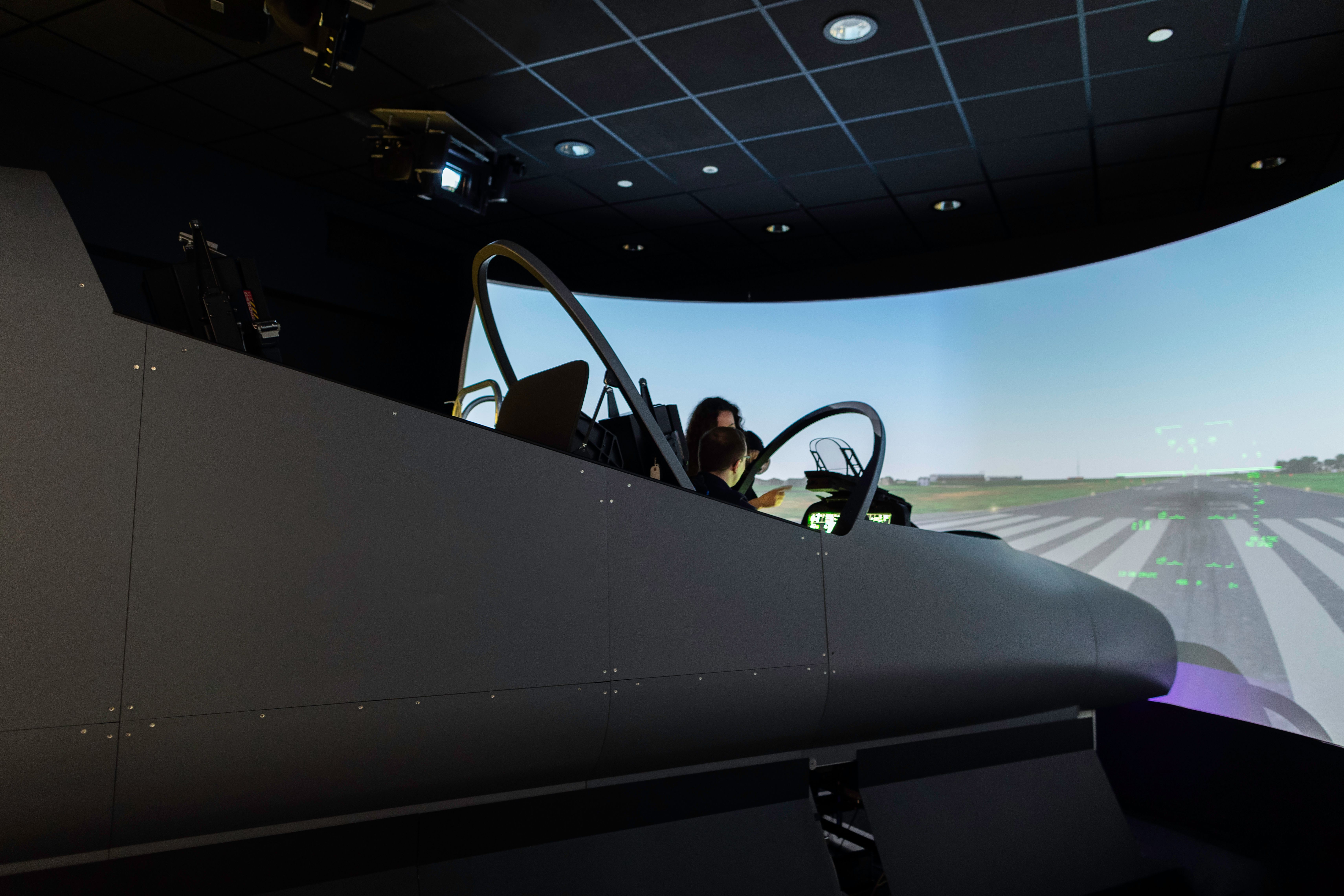
Flight simulators have always attracted people interested in aviation. Games such as Microsoft Flight Simulator recreate airports, weather conditions and aircraft controls, giving enthusiasts an opportunity to experience aspects of flying through a computer.
Arcade games take a different approach. They might feature colourful aircraft, straightforward controls and short challenges rather than detailed cockpit instruments. The aircraft becomes part of the entertainment without requiring players to understand the technical details of flying.
The difference becomes particularly clear when comparing a simulator with a traditional arcade flying game. A simulator might require players to understand altitude, navigation and the correct procedures for landing an aircraft. An arcade title could use the same basic setting but concentrate on collecting objects, completing missions or moving through obstacles. Both are built around aviation, yet the experience is almost entirely different.
This simpler approach can also be seen in crash games. Instead of controlling an aircraft, players follow its movement as part of the gameplay. The Aviator game available through Betway uses an animated plane that rises across the screen alongside an increasing multiplier. Players choose when to cash out before the aircraft flies away, with each round ending at a randomly determined point.
The game uses the familiar image of a plane taking off to present a casino mechanic in a way that is easy to follow.
Why aircraft work well in digital games
An aircraft is a useful subject for game designers because movement is already part of its identity. A plane can climb, turn, accelerate or disappear into the distance, giving developers plenty of visual possibilities.
In traditional aviation games, those movements might depend on the player’s controls. Aviator uses the aircraft differently, with its upward movement representing the rising multiplier rather than a flight path that players can steer.
The graphics are relatively simple, allowing the aircraft and multiplier to remain the main focus throughout the round. This also makes the game suitable for smaller screens, where complicated backgrounds and large control panels can take up valuable space.
There is another advantage to using aircraft in game design: they are instantly recognisable. A small plane moving across a screen needs very little explanation. Even a basic silhouette can communicate the idea of flying, and designers can build an entire visual identity around it without filling the screen with additional characters or objects.
This is one reason aviation themes can work in games with relatively simple mechanics. A flying aircraft provides movement that players can follow, while changes in its position help communicate how the action is developing. In Aviator, the aircraft acts as a visual companion to the multiplier, making the game’s central mechanic recognisable without elaborate scenery.
Technology brings different ideas together
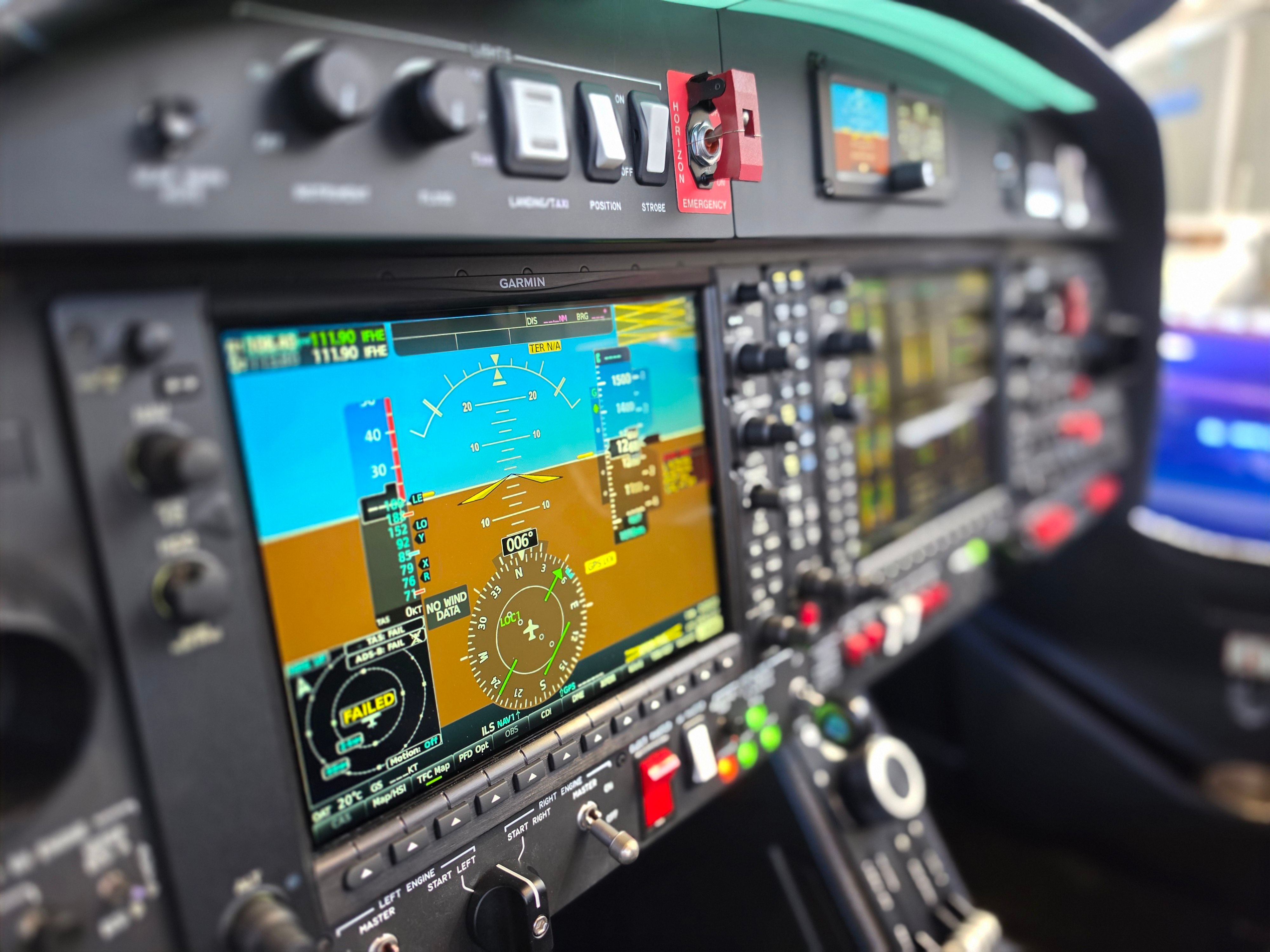
Modern tech allows developers to create aviation experiences ranging from realistic simulators to compact browser games. Better graphics engines, mobile processors and internet connections have made these different formats easier to access.
While a flight simulator might require a detailed aircraft model and realistic scenery, the Aviator game relies on a small animated plane, a changing multiplier and straightforward controls.
The technology behind these games is also quite different. Flight simulators may process detailed information about aircraft performance, weather conditions and terrain. Their software has to calculate how an aircraft responds to controls while rendering the surrounding environment. The more realistic the simulation, the more information the computer needs to manage.
Both approaches show how much flexibility developers have when working with the same general theme. Aviation can support a technically demanding simulation or a simple online game, depending on the experience the studio wants to create.
Aviation has also influenced game artwork
Aircraft have inspired more than the gameplay itself. Aviation imagery has become a familiar part of gaming artwork, from old arcade cabinets featuring fighter planes to modern titles with carefully illustrated airports and aircraft.
Some developers prefer realistic designs based on recognisable aircraft, while others create fictional vehicles with exaggerated wings, colourful engines or unusual shapes. A game aimed at aviation enthusiasts might pay close attention to cockpit details and aircraft markings, whereas a casual mobile title can use a more playful style.
Sound design follows a similar pattern. Flight simulators may reproduce engine noise, cockpit alerts and radio communications, while arcade games often use original music and simplified sound effects to accompany the action.
The choice depends on the kind of entertainment being developed. Realism is important to certain games, but others benefit from a distinctive visual identity that has very little to do with actual flying.
A familiar theme with plenty of possibilities
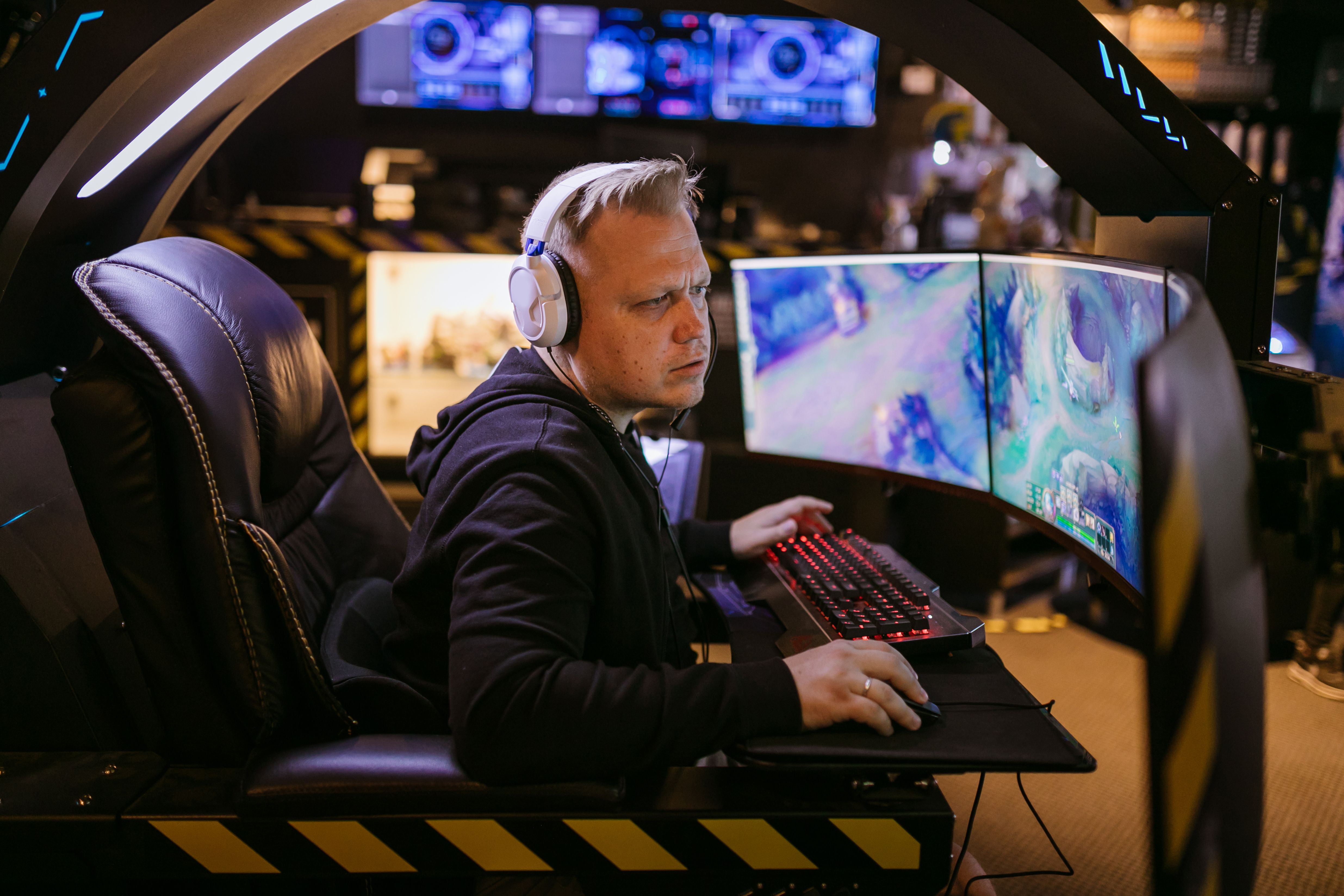
Aviation continues to give game developers ideas, whether they are recreating a commercial aircraft, designing an arcade adventure or building a casino game around a rising multiplier.
The appeal lies partly in how easily aircraft can be recognised and represented on screen. Developers can take the familiar idea of flight and adapt it to almost any type of digital entertainment, giving each game its own interpretation of what happens after a plane leaves the ground.