
















Station Based Training Display Software, Circuits Heats And Rotation Timers
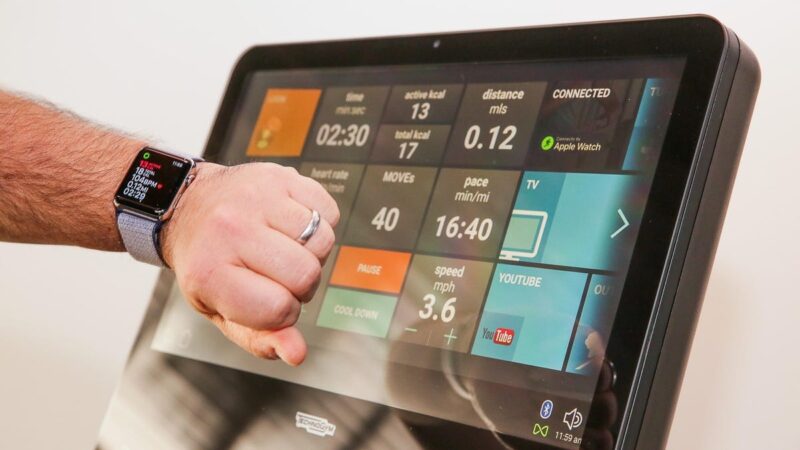
Modern group training has evolved. You’re no longer just coaching reps and sets, you’re managing flow, timing, energy, and attention across an entire room. That’s where station based training display software comes in. It bridges the gap between your programming and how athletes actually experience the session.
When circuits, heats, and rotation timers are clearly visualized, everything changes. Athletes move with confidence, coaches gain control, and sessions feel smoother from start to finish. This article breaks down how these systems work, why they matter, and how they can transform your gym without adding complexity.
Table of Contents
Why station based training often breaks down without systems
Station-based training looks simple on paper. In reality, it can quickly turn chaotic if timing and communication aren’t dialed in.
Here’s the core issue. Athletes don’t just need to know what to do. They need to know where to go and when to move. When that clarity is missing, flow collapses.
According to industry insights, most station confusion comes from poor visibility and unclear transitions.
You’ve probably seen it:
- People standing still, unsure of their next station
- Coaches repeating instructions mid-workout
- Bottlenecks forming around popular equipment
- Energy dropping between transitions
Important: Even the best programming fails if athletes cannot follow it in real time.
Without a clear system, you end up coaching logistics instead of performance. And that’s not where your attention should be.
Connecting scheduling and flow with booking software
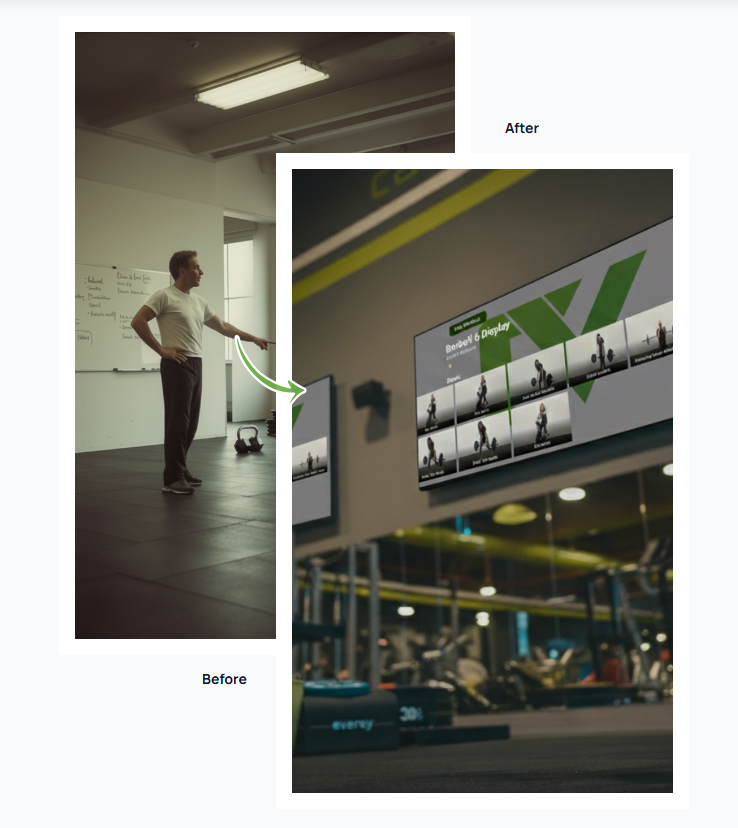
Before athletes even step onto the floor, their experience begins with how they book and enter your classes. This is where systems should connect, not operate in isolation.
Using a solution like Booking Software helps you align class capacity, heat sizes, and station availability before the session begins. When your booking system reflects your floor setup, you avoid overcrowding and mismatched group sizes.
Here’s what that looks like in practice:
- Classes capped based on station count
- Pre-assigned heats or groups
- Clear expectations before arrival
- Reduced check-in friction
Instead of reacting to chaos, you’re setting the stage for a controlled, high-quality session. The transition from booking to training becomes seamless, and your display software simply executes what’s already been structured.
How circuit display software simplifies complex workouts
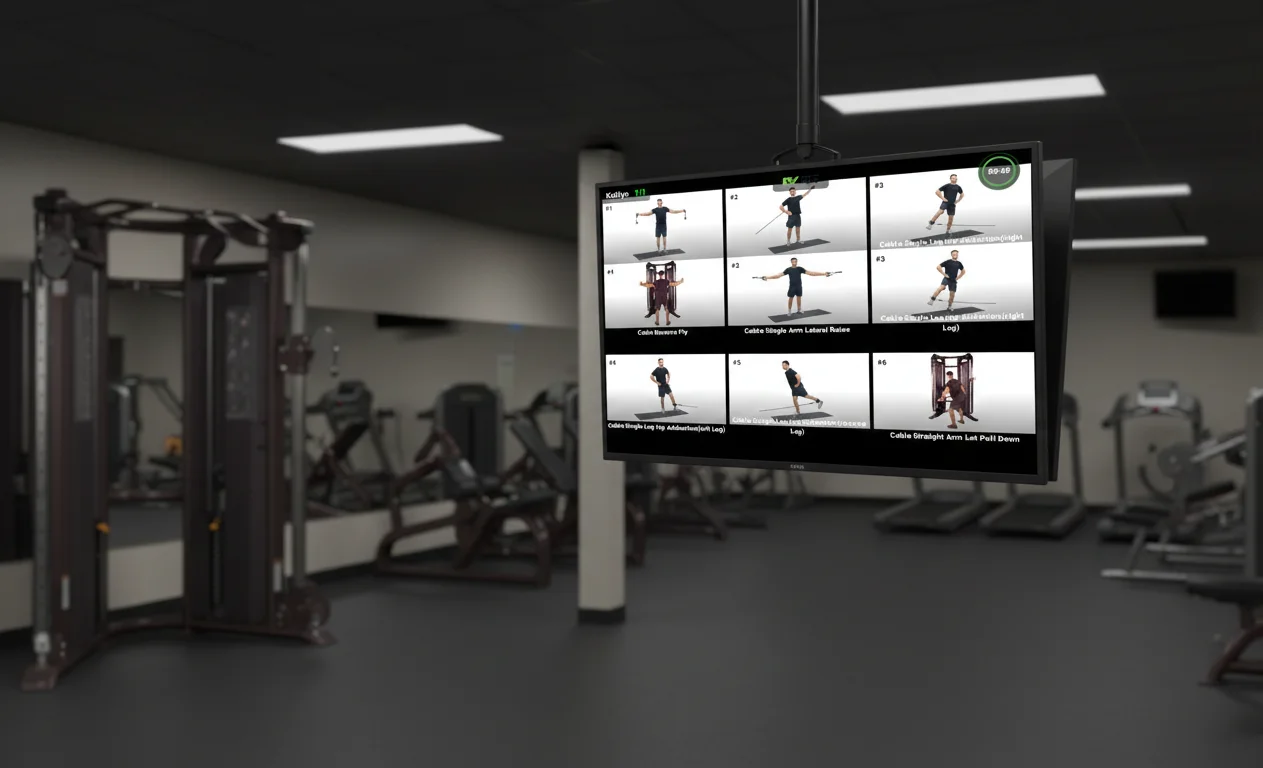
At its core, station display software turns your workout into something visual, dynamic, and easy to follow.
Instead of relying on whiteboards or verbal cues, athletes see exactly what’s happening in real time. This reduces cognitive load and keeps them focused on effort, not instructions.
Most systems typically show:
- Current station and upcoming movement
- Time remaining in the interval
- Transition countdowns
- Heat or group identifiers
This matters more than it seems. Research shows that timers provide structure and help guide transitions between work and rest, improving consistency and performance.
When everything is visible, your class becomes self-guided. You’re still coaching, but now you’re coaching movement quality, not logistics.
The role of rotation timers in maintaining energy and pace
Source:besmashing.com
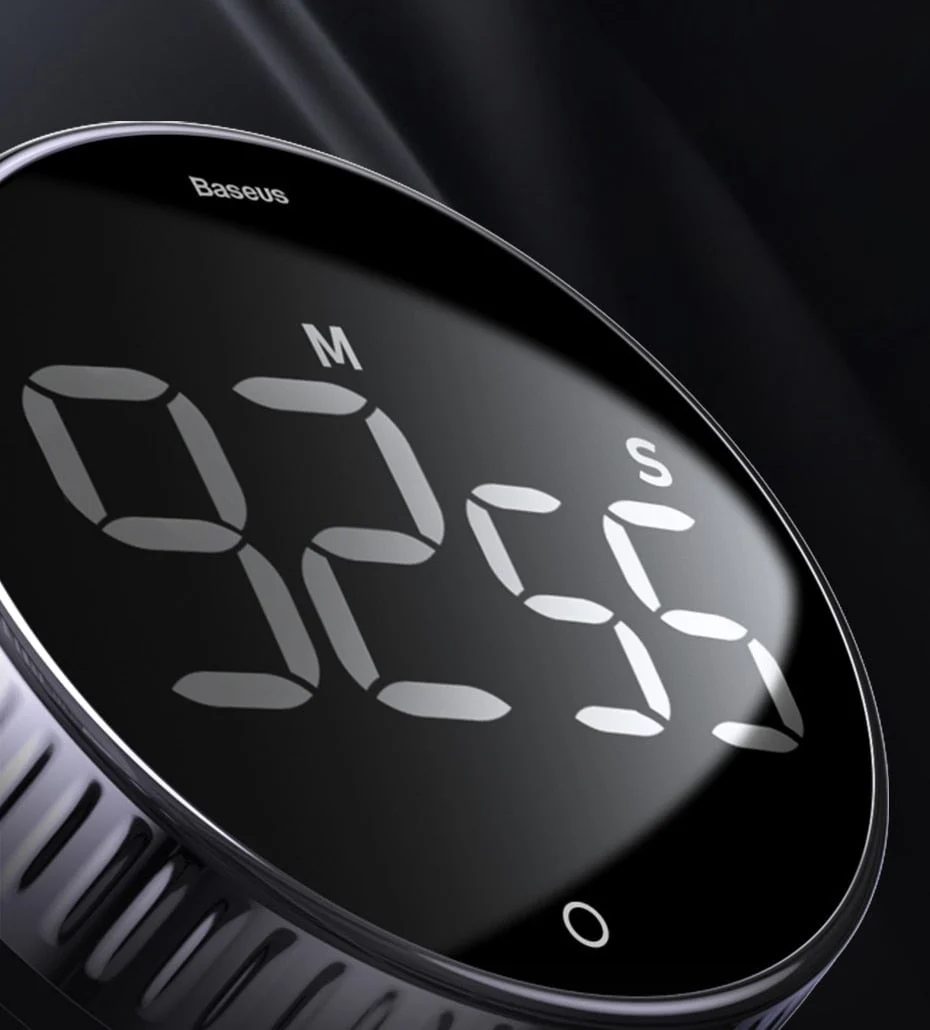
Rotation timers are the heartbeat of any circuit-based class. Without them, pacing becomes inconsistent and athletes drift.
In circuit training, timing is everything. Most workouts rely on short intervals with minimal rest to keep heart rate elevated and maximize efficiency.
A well-structured timer system ensures:
- Equal work across all stations
- Smooth, predictable transitions
- Consistent intensity across the class
What effective timers actually do
They do more than count down. They create rhythm.
- Work intervals push effort
- Transition windows prevent collisions
- Rest periods allow recovery without guesswork
This rhythm is what keeps classes engaging. Athletes don’t have to think. They just respond.
Did you know? Circuit training often uses 30–60 second intervals per station, keeping sessions efficient while maintaining high intensity.
When your timers are dialed in, the entire room moves like a system, not a collection of individuals.
Managing heats and large group classes with confidence
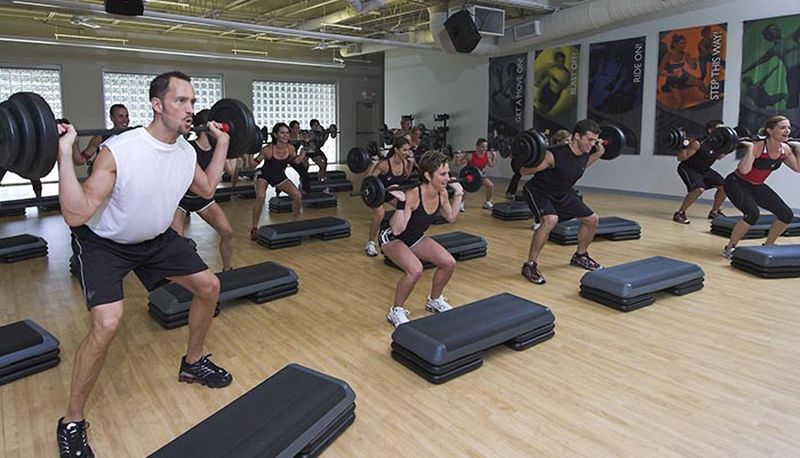
As your gym grows, managing larger groups becomes one of your biggest challenges. This is where heat-based structuring and display systems really shine.
Instead of one large, chaotic group, you divide athletes into smaller heats that rotate through stations or start times.
Benefits of using heats in your gym
- Better equipment distribution
- More personalized coaching attention
- Reduced waiting and downtime
- Clearer organization for members
From a coaching perspective, this is a game changer. You can focus on one group at a time without losing control of the entire class.
From an athlete’s perspective, it feels structured and intentional. No one is guessing what to do next.
Real-world benefits for coaches and gym owners
Source:facebook.com
When you combine station displays, timers, and structured heats, the impact goes beyond just cleaner workouts.
Let’s break it down:
| Area | Before | After |
| Class flow | Frequent interruptions | Smooth, continuous movement |
| Coaching focus | Repeating instructions | Coaching technique and effort |
| Athlete experience | Confusion and idle time | Clarity and engagement |
| Scalability | Limited by chaos | Scales with systems |
Circuit training is already known for being efficient, engaging, and effective for all levels. But without the right systems, those benefits don’t fully show up.
With the right setup, you unlock:
- Higher coaching leverage
- Better use of space and equipment
- More consistent class quality
And most importantly, a better experience your members can feel immediately.
Choosing the right system for your gym
Not all display systems are created equal. The goal isn’t to add tech for the sake of it. It’s to reduce friction.
When evaluating options, focus on usability first.
What to look for
- Simple setup and editing
- Clear, readable display design
- Flexible timer configurations
- Ability to manage stations and heats easily
What to avoid
- Overly complex interfaces
- Systems that require constant manual control
- Poor visibility from different areas of the gym
Key takeaway: If your coaches need training to use the system, it’s probably too complicated.
The best tools feel invisible. They support your coaching without getting in the way.
Bringing it all together
Source:youtube.com
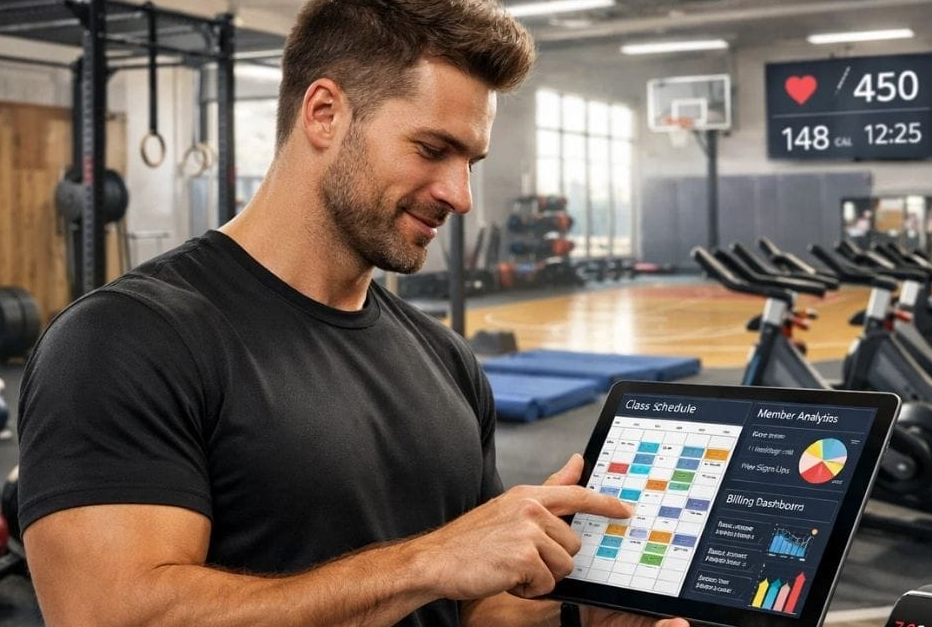
Station based training display software is not about replacing coaching. It’s about amplifying it.
When your workouts are clearly displayed, your timers are precise, and your rotations are structured, everything flows better. Athletes stay engaged, transitions become automatic, and your coaching becomes more impactful.
Circuit training already offers powerful benefits like improved endurance, efficiency, and full-body conditioning. But the real difference comes from execution.
And execution is where systems matter most.
If your goal is to run smoother classes, scale your gym, and create a better experience without adding stress, this is one of the simplest upgrades you can make.